
Gamer Packaging Leans into Culture to Drive Growth
As talent continues to shape priorities across the middle market, many companies are rethinking how workplace culture can support growth.


As talent continues to shape priorities across the middle market, many companies are rethinking how workplace culture can support growth.

Read this case study to learn how a middle-market heavy equipment company transformed its treasury function through strategic investments in digital finance capabilities.

Learn how a middle market advertising agency transitioned from a founder-led business to a 100% employee-owned company. The case explores how the ESOP structure helped drive growth, improve retention and strengthen financial performance in an industry known for high turnover and ongoing consolidation.

In the middle market, growth opportunities often outpace available cash, forcing companies to carefully balance ambition with financial discipline. Learn how one middle market company addressed this challenge by investing in its back office.

Many middle market manufacturers face resource constraints - human, financial, and otherwise - which makes process improvement and cost reduction top priorities. Learn how one specialty food manufacturer is navigating this firsthand as it automates key parts of its production process to support rapid growth and stay competitive.

In the middle market, major transitions are extremely common. Learn how one business navigated the challenges in selling 80% of a 30-year-old company.

As a growing interior design firm, Tom Stringer Design Partners was processing thousands of paper checks each year to cover business and vendor expenses. Learn about the changes they made to turn payments into a source of efficiency and financial advantage.

As both a technology consulting firm and a middle market business itself. Weidenhammer found itself uniquely positioned to explore the true impact of AI - first internally, then for its clients. Read about the impact.
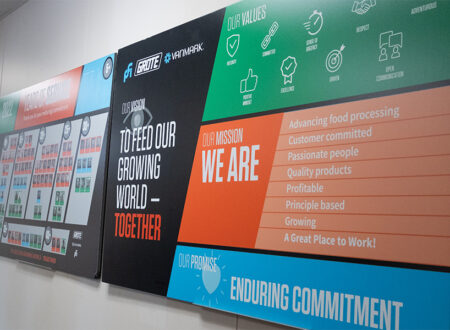
Grote Company's strategic international expansion transformed it from a U.S.-focused manufacturer into a global leader. Read how they established local operations, hired regional experts, and adapted to market demands to overcome supply chain and regulatory challenges.
Connect with the latest research, insights and perspectives from the Center, its partners, and other industry leaders.
Ensure your connection with the market that moves America.
